
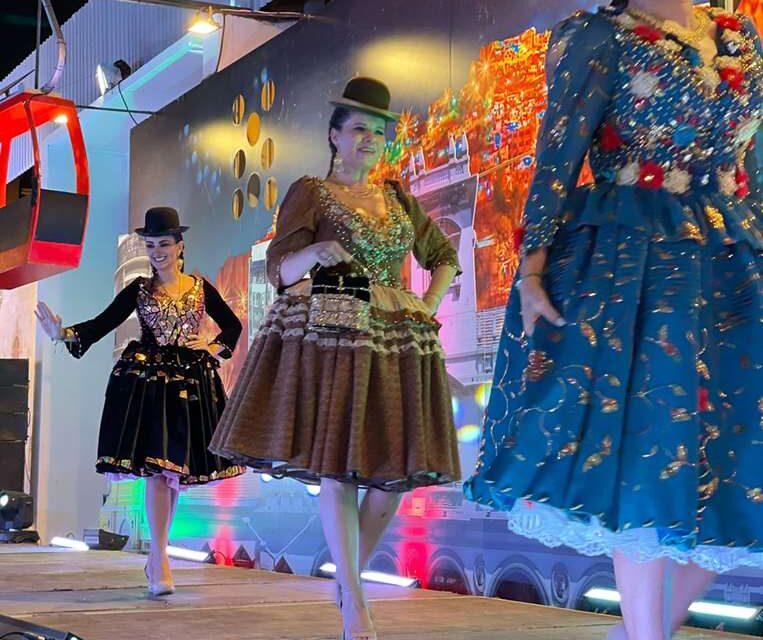
Delving into the captivating world of the Chola Paceña takes us on a journey through five centuries of fashion evolution, where Cholas have continually reinvented their style to reflect their beauty in the modern context. Their distinctive attire incorporates elements that enhance, add color, soften, protect, and enhance their appearance. These accessories, once restricted to ladies and young girls, are now an integral part of the Cholas’ wardrobe, blending the traditional with the contemporary.
A Glimpse into the Origin of the Term
According to the research of Antonio Paredes Candia in his book «La Chola Boliviana,» the word «chola» finds its roots in the Spanish term «chulo,» which was used to describe the man who assisted the bullfighter in the bullring, distracting the bull during cape changes. The female counterpart of the «chulo» was the «chula.» The «chulas» wore long, pleated skirts, blouses adorned with lace and ruffles, and draped their shoulders with shawls made of espumilla embroidered with flowers, known as «mantones de Manila.» The «chulas» were known for their elegance in posture and their audacity in both attitude and language.
This historical origin provides us with an intriguing insight into how the Cholas have embraced their heritage and transformed their style over time while maintaining their unique essence and undeniable beauty in every detail of their attire.
The Evolution of Chola Paceña Attire
Exploring the fascinating world of Chola Paceña fashion takes us on a journey through five centuries of style evolution, where Cholas have constantly reinvented their look to reflect their beauty in the modern context. Their unique attire incorporates elements that enhance, add color, soften, protect, and beautify their appearance. These accessories, once restricted to ladies and young girls, are now an integral part of the Chola wardrobe, blending tradition with contemporary fashion.
Roots in the Attire of Yesteryears
In the 16th and 17th centuries, mestizas stood out for their luxurious and elegant clothing, crafted from fabrics like silk, taffeta, and velvet. Their outfits included skirts, shawls, hats, snug bodices, and boots, characterized by their colorful and extravagant nature, earning them the moniker «chulas» from European residents. Notably, the hat played a significant role in Chola Paceña attire, marking their status and quality. However, in recent years, these hats have become coveted items for thieves due to their value and sophistication, leading many pollera-wearing women to cease their daily use.
The Evolution of the Hat
Until the 1920s, Chola hats were made from esparto fibers, covered with albayalde pigment. From then on, bowler hats made of imported felt from American, Italian, and German factories became fashionable. These hats typically had a height of about 15 centimeters with flat brims measuring 5 to 6 centimeters, predominantly in white during those times.
The Elegance of the Shawl
In the past, Chola Paceñas would often wear two types of shawls: one for the chest, typically woven from vicuña wool and fastened to one shoulder with a delicate jewelry pin, and another shawl, known as a manta de abrigo, covering their shoulders and held in place with their forearms in front. These shawls could be made of wool in subdued colors or silk with intricately embroidered designs. However, in modern times, many Cholas have replaced the manta de abrigo with woven corsets or chompas, which may feature their own designs or be purchased from stores.
The Diversity of the Skirt
The pollera, an essential garment in the Chola Paceña ensemble, is characterized by its four pleats or gathers, length, and thickness, suited for the cold climate in which they reside. The quality of the fabrics used varies from more industrial to artisanal, and this distinction has marked Chola attire for generations. Fabrics produced through traditional methods in rural areas differ from those imported from abroad, which are commonly used in urban settings.
Elegant Petticoats
In addition to the pollera, Cholas wear petticoats, known as enaguas, sayas, fustanes, or «mankhancha» in the Aymara language, which are inner skirts worn between the outer pollera and underwear. These petticoats are often made from lighter and softer fabrics like canvas, linen, or cotton to provide warmth in cold temperatures. They are frequently adorned with lace.
Footwear and Jewelry
One of the most noticeable transformations in Chola Paceña attire is the evolution of footwear. The boots they used to wear were knee-high, snug to the legs, and featured a Louis XV-style heel. However, the colors and styles varied depending on the occasion. Regarding jewelry, it has always been a significant status symbol. Items such as brooches, rings with rubies and emeralds, and the ramada (a jewelry piece resembling a stem with leaves and flowers) have been and continue to be an essential part of Chola Paceña attire, reflecting their heritage and status.

